
A Saxophonist’s Journey Toward a One‑Hour Solo Set with Backing Tracks
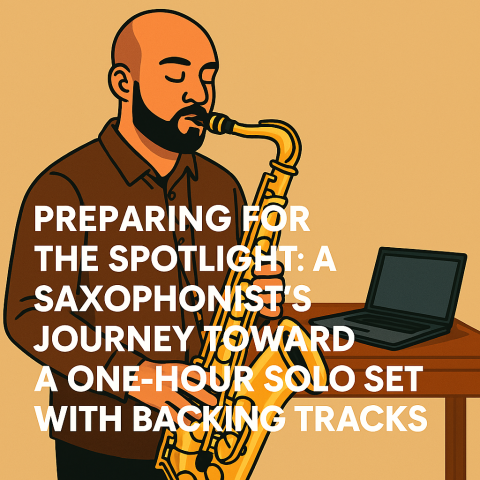
Preparing for a one-hour solo saxophone set is already a thrilling endeavor—full of creativity, vulnerability, and precision. Add backing tracks to the mix, and the performance becomes an immersive, multi-layered experience where the saxophonist becomes both instrumentalist and architect of the entire sonic environment.
Designing the Musical Blueprint
Before recording a single note, the musician usually maps out the entire set. Now, the planning isn’t just about phrasing and improvisation—it’s about deciding where backing tracks enhance the storytelling and where the raw voice of the horn should stand alone.
Common decisions include:
- Which tunes benefit from rhythmic backing and which should be left open and intimate
- What styles and moods the backing tracks should support
- How to pace the set so tracks complement, not overwhelm, the soloist
This blueprint becomes the foundation for both the live performance and the behind-the-scenes production work.
Crafting Backing Tracks with Intention
Creating backing tracks invites a saxophonist to think like a producer. They build grooves, harmonies, and atmospheres that elevate the horn while leaving plenty of space to explore. Depending on the musician’s style, tracks might include:
- Smooth jazz progressions or neo-soul chords
- Ambient pads and textures for meditative sections
- Crisp drum loops for high-energy improvisations
- Subtle bass lines that ground fluid, melodic explorations
The process often involves layering MIDI keys, drum machines, or live instruments—sometimes even field recordings for a unique sonic identity. Each track becomes a personalized canvas ready for saxophone storytelling.
The Art of Balancing Live and Pre‑Recorded Sound
When backing tracks enter the picture, rehearsals develop a new dimension. The saxophonist practices transitions between tracks, cues, and tempos, making sure each piece feels natural rather than mechanical.
They pay attention to:
- Start and stop timing
- How the sax tone blends with the backing
- Dynamic balance across different sections
- Breathing room within the track—literal space for improvisation
A well-prepared musician doesn’t just play over the track; they interact with it, shaping the energy of the moment.
Technical Preparation and Performance Logistics
Adding backing tracks means adding technology, and smooth execution is essential for maintaining the flow of a solo set. Before show day, the musician tests:
- Playback devices (laptop, sampler, pedal, or phone)
- Track order and timing
- Backup systems in case of unexpected glitches
- Stage layout to ensure quick, quiet transitions
Some even rehearse with the full stage setup to mimic the live experience, building comfort and confidence.
Staying Physically and Mentally Grounded
The combination of saxophone and production demands extra focus. This means practicing full one‑hour run‑throughs with the tracks, calibrating volume changes, refining entrances, and strengthening endurance.
Mentally, the musician prepares to stay present through technical moments—trusting their setup while staying rooted in the music itself.
Bringing the Audience Into the Journey
When the audience hears backing tracks in a solo sax set, it creates an expanded world of sound. The musician might introduce certain pieces by explaining how the track was created or what inspired the arrangement, helping listeners feel connected to both the live and the crafted elements.
The performance becomes part concert, part intimate studio tour.
The Final Moments Before the Downbeat
Backstage, the musician warms up with mindful long tones, checks reeds and gear, and does a quick test of the playback device. The tracks are queued, the horn is ready, and the story is set.
When the lights rise, the saxophone emerges as the guide—but the backing tracks provide the landscape, transforming the room into a space shaped entirely by the musician’s creativity.